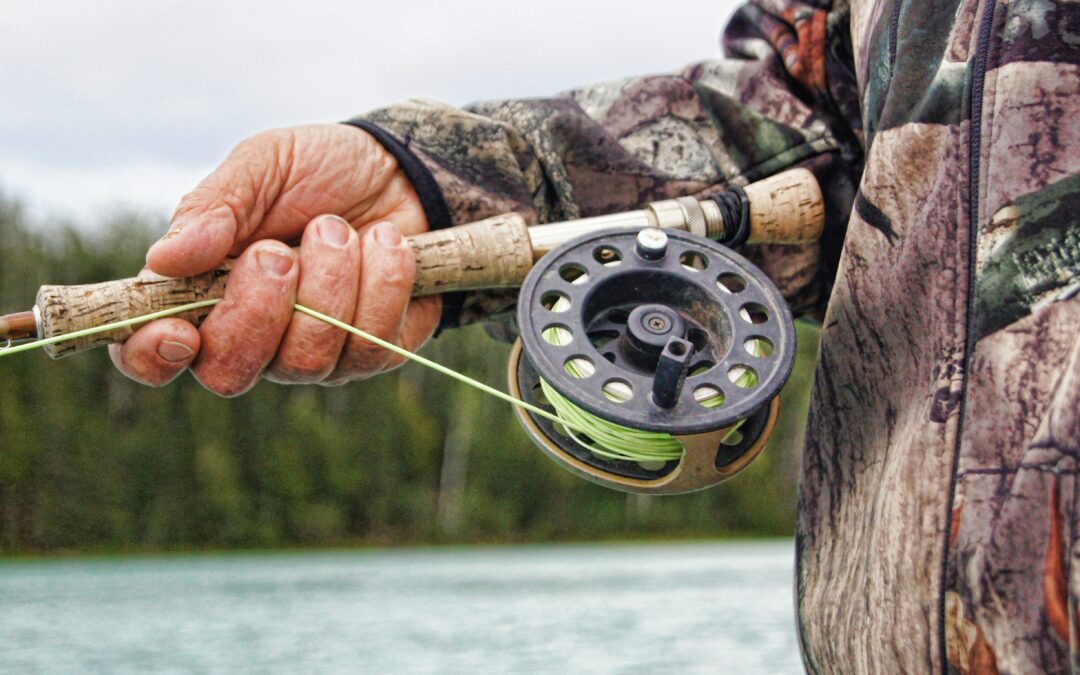
Fluefiske er en av de mest elskede formene for sportsfiske, og den høye graden av teknikk og finesse som kreves gjør det til en virkelig engasjerende hobby. Å velge riktig fluestang er imidlertid en viktig del av å forberede seg på fluefiske, og det er mange faktorer å vurdere når man velger den beste fluestangen for sine behov, som pris. Besøk denne siden for gode tips til finansiering. Prisklasser kan variere sterkt avhengig av stangens kvalitet, merke, og materialer brukt. Her er noen retningslinjer for hvordan man kan velge den beste fluestangen.
Valg av Fluestenger
1. Stanglengde
Stanglengde er en av de viktigste faktorene å vurdere når du velger en fluestang. Lengden du velger, avhenger av typen fiske du planlegger å gjøre. Hvis du planlegger å fiske i små elver eller bekker, vil en stang på rundt 2,5-3 meter være egnet. For større elver og innsjøer, vil en stang mellom 2,7-3,3 meter være mer passende.
2. Stangvekt
Stangvekten refererer til vekten på snøret som stangen er designet for å kaste. En lettvektsstang (1-4 vektklasse) er ideell for små fisker, mens en stang i mellomklassen (5-8 vektklasse) er god for mellomstore fisker. En tungvektsstang (9-14 vektklasse) er best egnet for store fisker og tungt sjøfiske.
3. Materialer
Fluestenger er vanligvis laget av fiberglass, grafitt, eller en blanding av begge. Grafittstenger er mer følsomme og lettere, men også mer skjøre enn fiberglassstenger. Fiberglassstenger er mer holdbare, men også tyngre. En stang laget av en blanding av grafitt og fiberglass kan gi en god balanse mellom følsomhet og holdbarhet.
Prisklasser
Prisene på fluestenger kan variere sterkt. Generelt kan du forvente å betale mellom 500 og 3000 kroner for en innstegsmodell. Mid-level stenger kan koste mellom 3000 og 7000 kroner, mens high-end stenger kan koste over 7000 kroner.
Her er noen eksempler på fluestenger i forskjellige prisklasser:
- Innstegsmodeller: Redington Crosswater Outfit Fly Rod – Dette er en prisvennlig fluestang som er ideell for nybegynnere. Den har en moderat aksjon og kommer med en levetidsgaranti. Pris: Rundt 1000 kroner.
- Mid-level stenger: Orvis Clearwater Fly Rod – Dette er en allsidig fluestang som er egnet for en rekke fiskeforhold. Den har en medium-fast aksjon og kommer også med en levetidsgaranti. Pris: Rundt 4000 kroner.
- High-end stenger: Sage X Fly Rod – Dette er en toppkvalitets fluestang som er kjent for sin høye ytelse og kvalitet. Den er designet for erfarne fluefiskere og kommer med en levetidsgaranti. Pris: Rundt 9000 kroner.
Å velge den rette fluestangen avhenger i stor grad av dine individuelle behov og budsjett. Å investere i en god fluestang kan imidlertid forbedre fiskeopplevelsen din og hjelpe deg med å mestre kunsten å fluefiske.