Velkommen til Fluefiske.info – Din guide om fluefiske
Fluefiske.info er en guide for deg som ønsker å begynne med fluefiske eller for deg som allerede fisker med flue men ønsker å få siste nytt om produkter innenfor fluefiske. Vi har som mål å bli den beste portalen for fluefiske og fluefiskere i Norge.
Hva slags utstyr trenger jeg for å komme i gang med fluefiske?
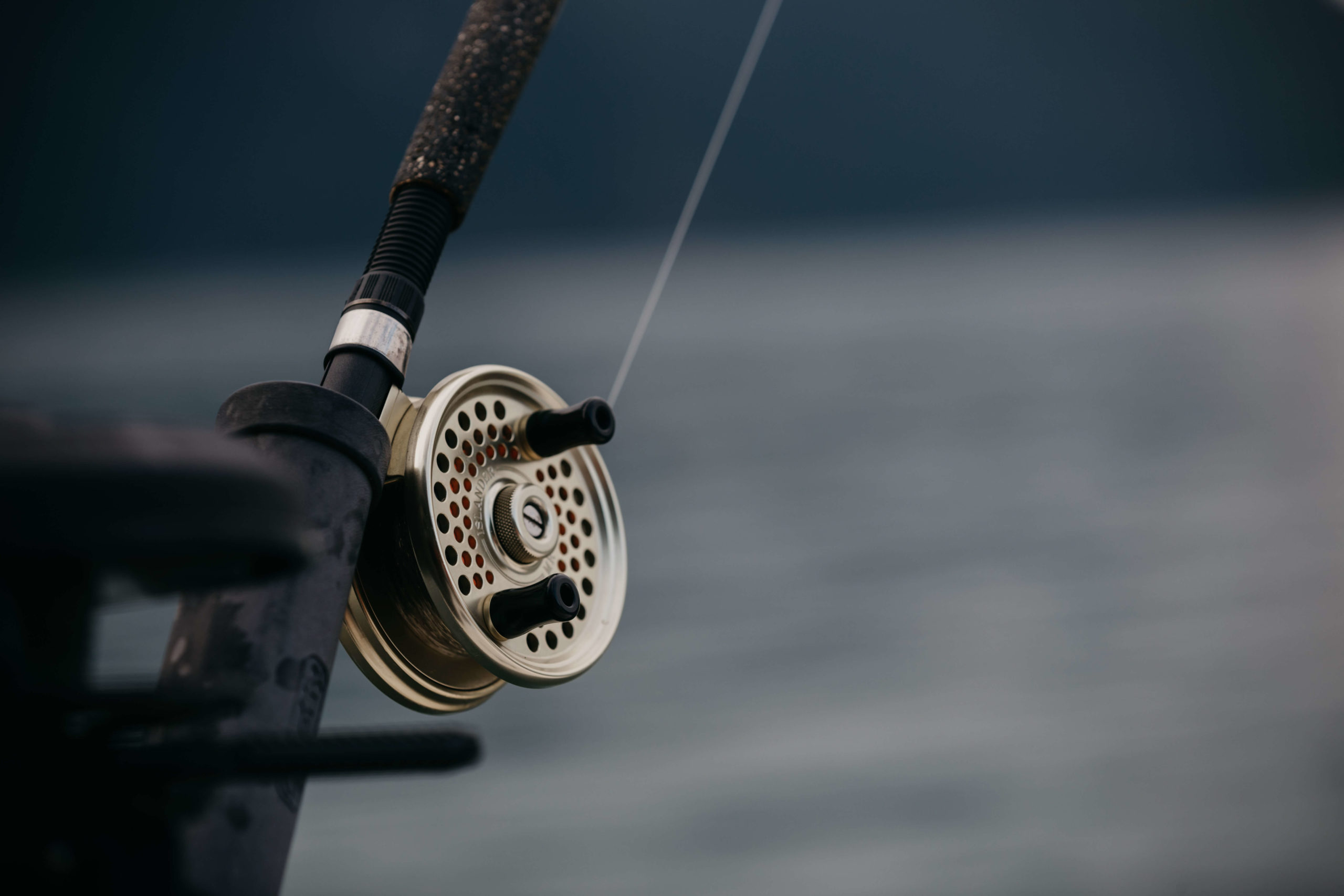
For å komme i gang med fluefiske så trenger du litt utstyr. Nedenfor har vi beskrevet noe av det du trenger for å komme i gang med fluefiske. Det er viktig for oss å påpeke at man som nybegynner ikke trenger det mest kostbare ustyret. Du trenger følgende for å komme i gang med fluefiske:
- Fluestang
- Fluesnelle
- Fortom
- Vadebukser
- Svømmevest
- Seneklipper
Som nevnt så trenger du ikke noe kostbar fluestang til å begynne med, vi har skrevet noen artikler om hvordan du kan kjøpe en billig fluestang og fluestang for nybegynnere for en billig penge. Det som du i tillegg til utstyr trenger er en god dose tålmodighet.
Hvordan kommer man i gang med fluefiske?
Ofte så snakker vi med mange som er interesserte i å komme i gang med fluefiske men de vet ikke helt hvordan. Den enkleste måten å komme i gang med fluefiske er å ta et kurs i fluefiske. Det finnes veldig mange aktører som tilbyr kurs i fluefiske. Noen er private aktører og andre ganger så kan det være kurs i regi av NJFF.
Stadig flere butikker som selger fluefiske-utstyr har også gjerne kurs i fluefisking. Så om du er usikker på hvor nærmeste fluefiske-kurs er for deg så kan du enkelt ta kontakt med din lokale butikk, de pleier å ha oversikten eller kanskje de tilbyr noe selv.
Dersom du ikke ønsker å ta noe kurs i fluefiske så er det heldigvis en veldig digital verden vi lever i. Det finnes ganske så mange instruksjonsfilmer på YouTube som tar for seg nettopp fluefisking. Flere av de store nettsidene innefor fisking og nettbutikkene innenfor fluefiske-segmentet har laget instruksjonsvideoer som du kan bruke.
Ønsker du å kjøpe fluefiske-utstyr?
Hvis du ønsker å kjøpe fluefiske utstyr av god kvalitet og til en billig penge? Da anbefaler vi at du handler hos Jakt og Friluft!
Hvor kan man fluefiske?
Veldig mange tror at fluefiske kun er noe som man gjør i elver etter større laks men slik er det ikke. Fluefiske egner seg like godt langs kysten som på fjellet. Det kommer helt ann på hva du som fluefisker ønsker å jakte. Fluefiske kan gjøres ved sjøen, fjellvann eller i elver. Nedenfor har vi skrevet litt om hvor man gjerne fisker etter de forskjellige fiskene:
Sjøørett
De siste årene så har vi sett at stadig flere ønsker å jage denne gode matfisken som det stadig blir flere av. Langs norskekysten så finner du veldig mye sjøørett og det er perfekt for fluefiske. Du kan lese mer om hvilken fluestang du trenger på vår underside som gir den beste guiden over fluestenger. Med billige forbrukslån kan du finansiere den neste fiskestangen problemfritt.
Ørret
Det er ingenting som å gå en tur i fjellet med fluestangen for å finne det perfekte fjellvannet å ta noen kast. Fluefiske egner seg godt for å fiske både store og små ørret.
Laks
Dette er kanskje det som de aller fleste forbinder med fluefiske. Mange har nok sett alle fluefiskerne som står oppover elvene i Norge i håp om å fange en stor laks. Dette er gjerne noe for viderekommende og det krever ofte et litt heftigere utstyr enn man trenger til disse andre to typene.
Er det vanskelig å begynne med fluefiske?
Veldig mange lurer på om det er vanskelig å begynne med fluefiske, men det trenger ikke å være vanskelig i det hele tatt. Det er riktignok lurt å melde seg på et kurs eller lignende. Det finnes i tillegg flere videokurs på plattformer som YouTube
Historien til fluefiske?
De aller fleste har nok hørt om fluefiske, men det er ikke alle som har satt seg inn i hva dette egentlig er. Fluefiske er en populær form for fritidsfiske som krever annet utstyr enn tradisjonell sportsfiske. Her fisker du med stang og det er selve snøret som er kastevekten. Fiske biter på en fiskeflue utstyr med krok, og disse er ofte en etterligning av fluer og andre vanninsekter, hvorav navnet.
Fluefiske foregår først og fremst i ferskvann, men det er også mulig å fiske i innsjøer og langs kysten. I teorien kan du drive med fluefiske hvor som helst, i hele verden, så lenge det er et sted hvor fluer og vanninsekter naturlig forekommer. I Norge er det populært å drive med fluefiske i elv, og særlig da etter laks. Dette blir kalt for laksefiske med flue og er en form for sportsfiske som også har utbredt seg til andre deler av verden.
De siste årene har nordmenn også fått øynene opp for fluefiske i fjorder, hvor det gjerne er havabbor og sjøørret det fiskes etter. Er du på jakt etter gjedde vil det være naturlig å fiske i innsjøer, mens ferskvann kan by på både harr, ørret og røye. Fluefiske ble først innført mellom 1820 og 1830, som følge av påvirkning fra britiske forretningsmenn som besøkte Norge. Dette førte fort til en form for britiske lakseturisme, noe som ble en inntektskilde for mindre bygder i Norge.
Etter hvert smittet laksefiske med flue over på nordmenn, og det tok ikke lang tid før dette ble en populær form for fiske her til lands. Nå ser vi at fluefisket er blitt en form for hobby, og ofte er det en «fang og slipp»-kultur blant norske fluefiskere. Dette er en måte å bevare genbærere innen fiskebestanden, samtidig som vi tar vare på økosystemer. Likevel er det mange som også fisker for fangsten sin skyld og fluefiske er et av kjerneområdene til Norges Jeger- og Fiskerforbund.
Hvordan kommer jeg i gang med fluefiske?
Læringskurven til fluefiske behøver ikke å være så bratt som mange tenker. Dersom du har et ønske om å starte med fluefiske, bør du først og fremst fokusere på et område og en teknikk. Som nybegynner anbefales våtfluefiske, da dette er den letteste teknikken å mestre. Da fisker du medstrøms i en elv, noe som fort vil gi deg mer erfaring og mestringsfølelse.
Hvor du planlegger å fiske har nemlig mye å si for hvilket utstyr du behøver. Fluestenger kommer i forskjellige vektklasser, hvor de letteste stengene egner seg best for mindre bekker og elver. Det kan derfor lønne seg å velge en stang innenfor 4 og 5 på AFTM skalaen. Alt under 4 er ultralett fiske, 4 er lett fiske og 5 regnes som normalt fiske og er den mest allsidige stangen. Hvis du trenger tips til hvordan du kan finansiere en ny fluefiskestang kan du gå til www.beste-kredittkort.no hvor du kan få mange gode tips og råd.
Hvis du ønsker å få profesjonelle opplæring, vil et fluefiskekurs for nybegynnere komme godt med. Her vil du få god veiledning om hvilket utstyr du trenger for ditt aktuelle område. Dette er også en fin måte å perfeksjonere kaste-teknikken, samtidig som du kan få gode tips og råd til lokale fiskesteder. Et fluefiskekurs behøver ikke å koste skjorta, og dette er en fin gave å ønske seg til jul, bursdager og andre høytider.
Det er også mulig å benytte seg av internett for å lære mer om fluefiske. Her kan du finne nyttige videoer, guider og tips. Det vil selvfølgelig ikke gi den samme oppfølgingen og veiledningen som et kurs gir, men kan være en god start for mange. Du kan også finne litteratur og bøker som hjelper deg i gang med fiskeeventyret.
Hva slags utstyr trenger jeg til fluefiske?
Fluefiske krever annet utstyr enn tradisjonell sportsfiske. Utstyret du behøver kan også avhenge av om du fisker i saltvann, bekker, elver, innsjøer eller vann. Generelt sett trenger du en fluestang, et snøre, en snelle og selve fiskefluen eller agnet. Her kan du velge mellom en mengde forskjellige dimensjoner, kombinasjoner og vekter. Det viktigste er å finne utstyr som passer til formålet, er av høy kvalitet og som du kan jobbe godt med.
Vi pleier som regel å rangere fluestenger på en AFTM skala mellom 1 og 10. Jo lavere tall stangen din har, desto lettere er den. En lettere stang blir ofte brukt i fjellvann, da gjerne en stang mellom 3 og 5. Skal du fiske i elver eller i sjø, kan det lønne seg å velge en tyngre stang. Vanligvis bruker fluefiskere en stang mellom 7 og 8 når de skal fiske i sjø og elever, men dette vil også avhenge av hvilken størrelse fiskene har i det aktuelle området.
Dersom du vil ha en allsidig stang, er 5 et godt valg. Denne kan brukes både til mindre og større fisker, selv om det lønner seg å kjøpe stenger i ulike klasser etter hvert. Hvis du er nybegynner anbefales det å kjøpe et komplett sett på Skittfiske. Da får du alt utstyret du trenger, og du kan være trygg på at stenger, snøre og snelle er av høy kvalitet.
Etter hvert som du får jobbet deg opp mer erfaring, kan du begynne å se etter mer avansert utstyrt. Fluestenger kommer for eksempel med ulike aksjoner, noe som sier hvordan stangen bøyer og beveger seg. Dette er ikke noe du trenger å tenke på som nybegynner da aksjoner ofte er en smakssak. I første omgang er det nok å kjøpe et komplett sett med stang, snøre, snelle og fiskeflue.
Hvordan lære å fluefiske?
Det finnes mange måter å lære seg fluefiske på og her handler det mest om smak og behag. Et kurs vil gi deg den beste opplæringen samtidig som du kan dra nytte av lokale råd og tips. Ettersom område du skal fiske i har mye å si for hvilket utstyr du trenger, er det nyttig å avvente kjøp av utstyr til etter kurset. Med profesjonell hjelp vil du kunne få tilbakemeldinger, opplæring og veiledning.
Hvis du er usikker på om et kurs er det rette alternativet for deg, finnes det andre alternative måter å lære seg fluefiske på. Kanskje har du venner, familie eller naboer som driver med fluefiske? De fleste vil være mer enn villig til å gi deg opplæring og dra deg med på nye fiskeopplevelser. Det finnes også nyttige videoer på nett som tar for seg alle typer fluefiske, ulike teknikker og råd om utstyr.
Med internett finnes det ingen grenser for hvor vi kan lære nye ferdigheter. Podcast, blogger og videoer er blitt populære læringsområder for mange. Hvis du liker å lese bøker finnes det også mye litteratur om emnet. Likevel vil et kurs i de aller fleste tilfeller gi deg mest utbytte. Da får du se teknikker i praksis og prøve deg ut med gode tilbakemeldinger, råd og hjelp.
Hvor er det best å fiske med fluer?
I teorien kan du drive med fluefiske hvor som helst – så lenge det er et sted hvor fluer naturlig forekommer. Som nybegynner anbefales våtfluefiske i elver og bekker. Men det er også mulig å fiske i sjø, innsjø, vann og saltvann. Området du velger vil selvfølgelig gi forskjellige typer fisk.
Bekker og elever er et populært fiskeområde for mange i Norge. Du vil ofte finne disse rundt tettsteder, så du skal ikke se bort ifra at det finnes et fluefiskelag ved din lokale elv. Har du en god kasteteknikk, kan innsjøer og vann være et godt alternativ. Her kan du nå langt ut, men husk gode støvler.
Saltvann har også økt i popularitet blant fluefiske-miljøet. Her kan du fiske både sjøørret, lyr, torsk, havabbor og storsei. Før i tiden var det ikke vanlig å drive med fluefiske i saltvann, men med rett utstyr og god teknikk er dette mulig. Hvis du er på jakt etter harr, røye eller ørret, kan ferskvann anbefales. Fisker du i innsjøer kan du møte på gjedde, og i elever er det laksefiske som dominerer.
Hvis du vil vite mer om lokale fiskeplasser, kan du kontakte ditt lokale fiskelag. Det er også mulig å søke seg frem til populære fiskesteder i ditt nærområdet, og du skal ikke se bort i fra at du finner nyttige lokale blogger med råd og tips. Til syvende og sist avhenger det av hva du ønsker å fiske og hvilken teknikk du vil bruke.
Er fluefiske vanskelig?
Mange er av den oppfatning at fluefiske er vanskelig, men dette er ikke nødvendigvis sant. Fluefiske er en kunstform, men det behøver ikke være vanskelig å lære seg. Så lenge du setter av nok tid til trening og har tålmodigheten med deg, kan fluefiske læres av de aller fleste. Til og med profesjonelle sportsfiskere kan vegrer seg fra å prøve kaste-teknikken, men når denne først er på plass vil du kunne oppleve fantastiske fisketurer. Dettekan sammenlignes med nye casinoer hvor det er ulike spill som passer for nybegynnere eller de som har spilt lenge.
Grunnen til at mange er skeptisk til fluefiske, er nok at dette er en form for sportsfiske som krever en del ulike teknikker en tradisjonell fisking. Særlig er det kaste-teknikken som skiller fluefiske fra andre typer sportsfiske, og her er det to grunnleggende teknikker du kan fokusere på å lære deg. Alle kan lære seg fluefiske, så lenge du setter av nok tid til å perfeksjonere teknikkene.
Når du skal kaste må du først løfte fluestangen forsiktig og sakte. Dette vil stramme ditt fiskesnøret før du deretter skal gjøre en akselererende bevegelse bakover. Etter du har beveget fiskesnøret bakover må du stoppe brått før du tar stangen enda lengre tilbake og forbereder deg på å kaste fremover. For å få teknikken på plass, kan det være lurt å delta på et kurs, få hjelp av andre fluefiskere eller se på læringsvideoer for en god demonstrasjon.
Som nybegynner kan det være lurt å fokusere på våtfluefiske. Dette er den mest vanlige formen for fluefiske, og den enkleste teknikken å lære seg. Våtfluefiske går ut på at fluesnøret blir kastet nedstrøms i en elv, og gjerne sikter du mot motsatt side av elven. Med denne teknikken opplever mange at fisken biter på av seg selv, og derfor er dette teknikken som blir anbefalt nybegynnere.
Våtfluefiske blir ofte sett på som den enkleste teknikken og letteste formen for fluefiske. Dette er en fin måte å trene seg på, samtidig som du vil bli motivert av resultatene. Noen gode huskeregler å ta med seg er å sørge for at utstyret ditt egner seg for våtfluefiske, og at bevegelsene dine alltid er jevne og kontrollerte. Med dette i bakhodet kan alle lære seg å fluefiske, men husk at trening gjør mester.
Må man på kurs for å lære seg å fluefiske?
Du trenger ikke gå på kurs for å lære deg fluefiske, men det anbefales sterkt til nybegynnere. Som så mye annet du kan finne på nett (casino på nett eksempelvis) er det læringsvideoer hvor du kun se hvordan fluefiske blir gjort, men på et kurs kan noen vise deg teknikkene. Det er en stor forskjell på å bli fortalt hvordan du skal fiske, og faktisk bli vist hvordan og lære de forskjellige kasteteknikkene.
Et kurs gir deg mye utbytte, både innen teknikker, utstyr og generelle råd og tips. Her kan du lære hvordan du finner gode fiskeplasser, hvordan du bruker utstyret og generelle fisketips. På kurs vil du også lære mer om hva de ulike fiskeartene spiser, hvilket er viktig når du skal velge agn. Selv om du ikke trenger å gå på kurs for å lære deg fluefiske, er dette absolutt den enkleste og beste måten å lære seg sporten på.
Hvor kan jeg lære mer om fluefiske?
Du vil som sagt lære mest på et kurs, men du kan også bruke nettet til å utvide kunnskapen din. Det finnes at hav av nyttige blogger på norsk om fluefiske, og disse tar for seg alt fra utstyr, generelle tips og mye mer. Fordelen med å lese på blogger er at du får råd fra mennesker som faktisk driver mye med fluefiske. Her kan entusiaster deler tips og erfaringer, og dette er nyttig måte å lære av hverandre på.
I tillegg til blogger og kurs finnes det mange spennende bøker og litteratur om fluefiske. De beste fiskeplassene, fluefiske i ulike sesonger og tips til spennende turer rundt om i landet. Mulighetene er endeløse, og det handler bare om hvordan du best tar til deg ny kunnskap. Kurs, blogger, bøker, videoer og podcast – fluefiske er en spennende sport og du kan alltid lære deg nye teknikker og få tips.